信息通信技术与政策

信息通信技术与政策

信息通信技术与政策 ›› 2025, Vol. 51 ›› Issue (3): 59-67.doi: 10.12267/j.issn.2096-5931.2025.03.008

专题:脑机接口 上一篇    下一篇

基于脑电图的情绪识别机器学习方法比较分析

Comparative analysis of machine learning methods for EEG-based emotion recognition

李志芳1, 成苈委2, 周洁2   

  1. 1.电信科学技术研究院,北京 100191
    2.中国信息通信研究院知识产权与创新发展中心,北京 100191
  • 收稿日期:2025-02-25 出版日期:2025-03-25 发布日期:2025-04-02
  • 通讯作者: 李志芳,电信科学技术研究院硕士研究生在读,主要研究方向为脑机接口等
  • 作者简介:
    成苈委,中国信息通信研究院知识产权与创新发展中心工程师,长期从事脑机接口、智能穿戴设备等方面的研究工作
    周洁,中国信息通信研究院知识产权与创新发展中心高级工程师,长期从事知识产权、脑机接口、未来产业等方面的研究工作

LI Zhifang1, CHENG Liwei2, ZHOU Jie2   

  1. 1. LI Zhifang, Telecommunications Science and Technology Research Institute, Beijing 100191, China
    2. Intellectual Property and Innovation Development Center, China Academy of Information and Communications Technology, Beijing 100191, China
  • Received:2025-02-25 Online:2025-03-25 Published:2025-04-02

摘要:

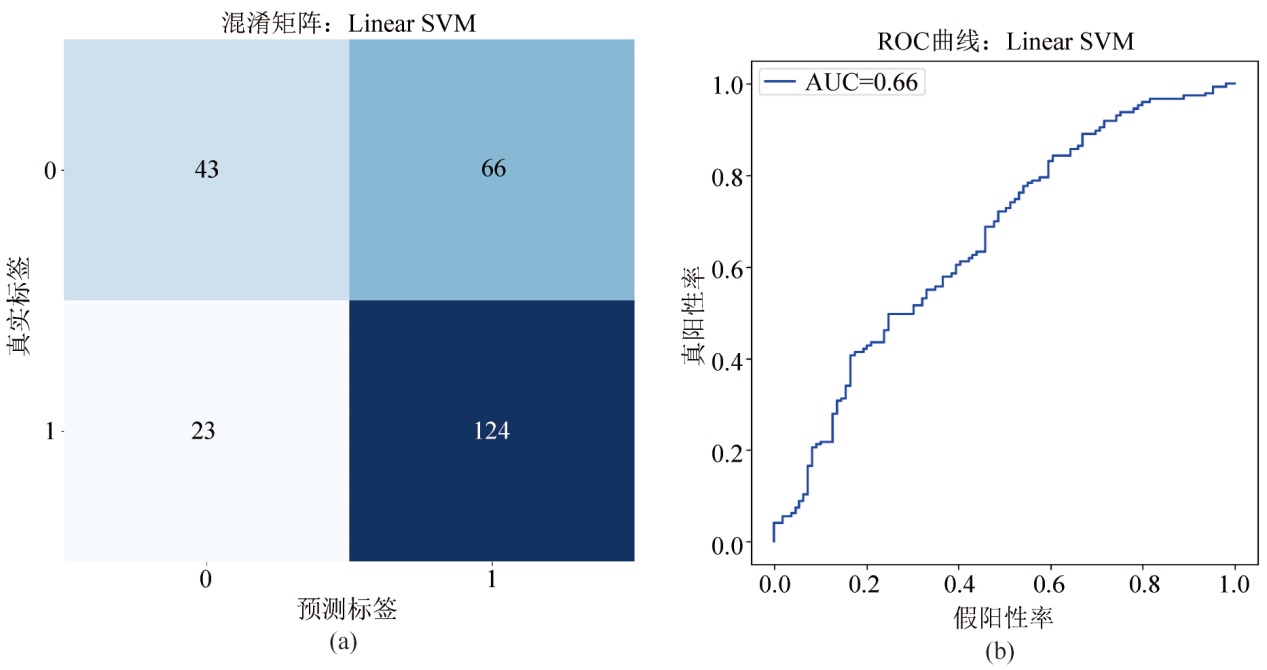
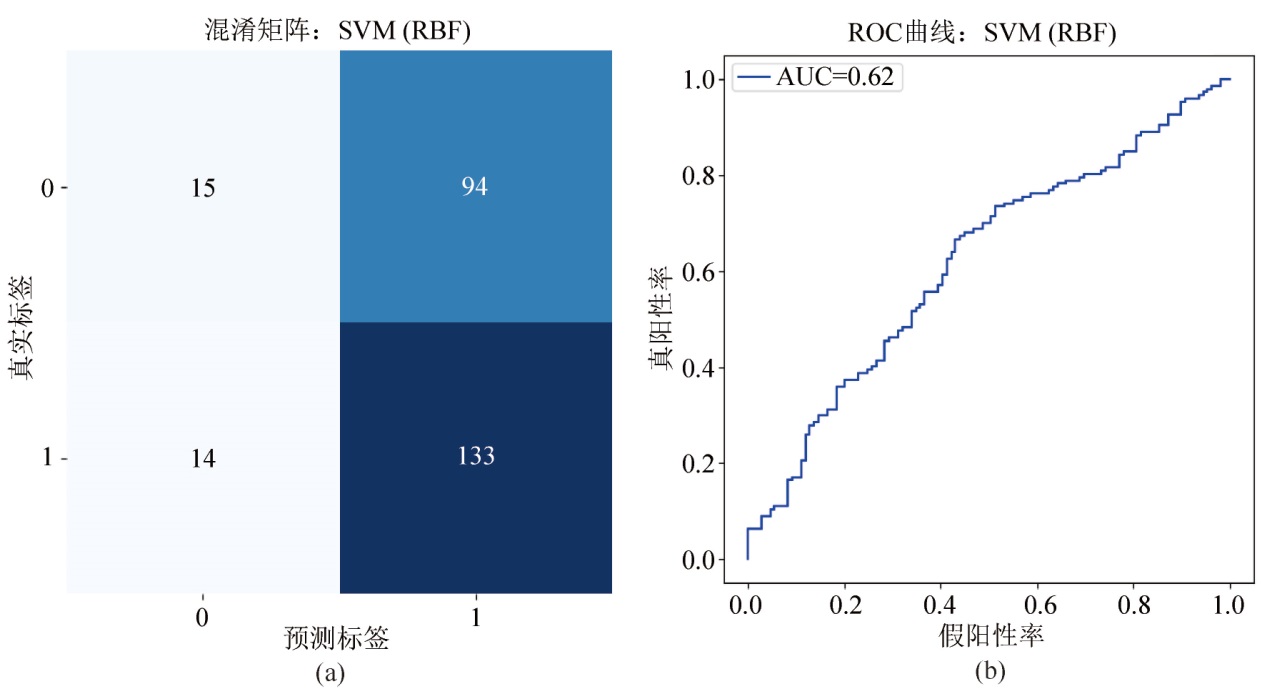
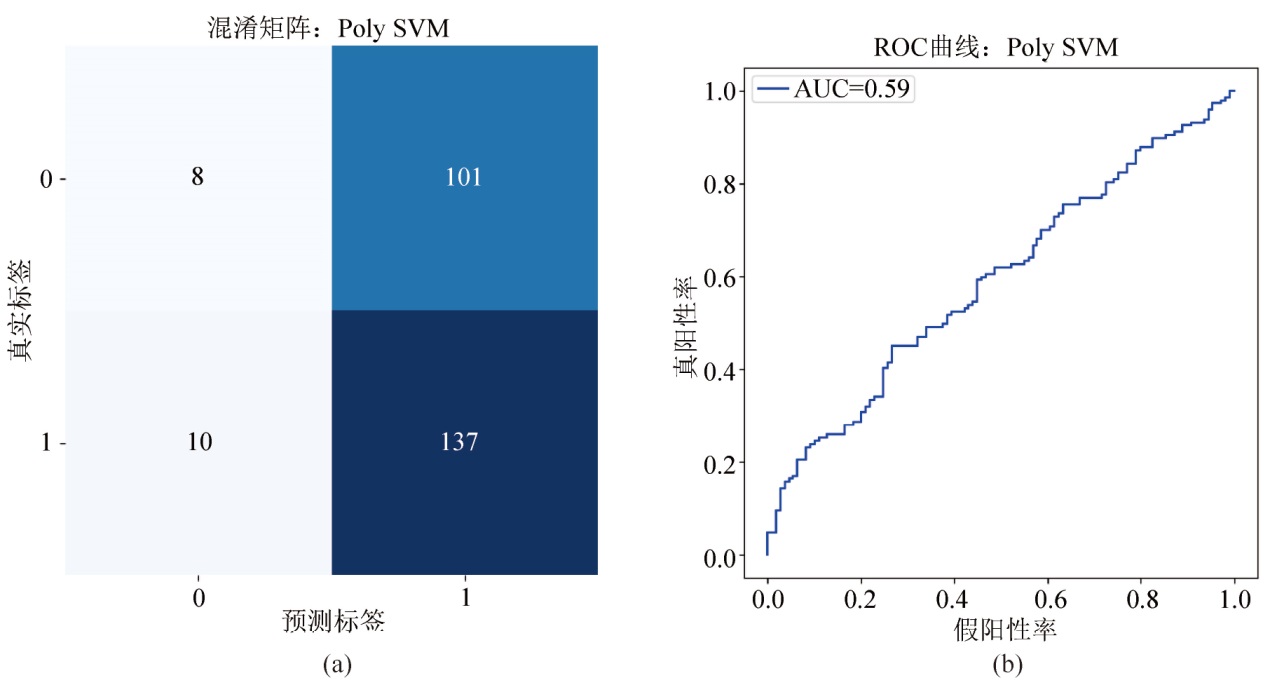
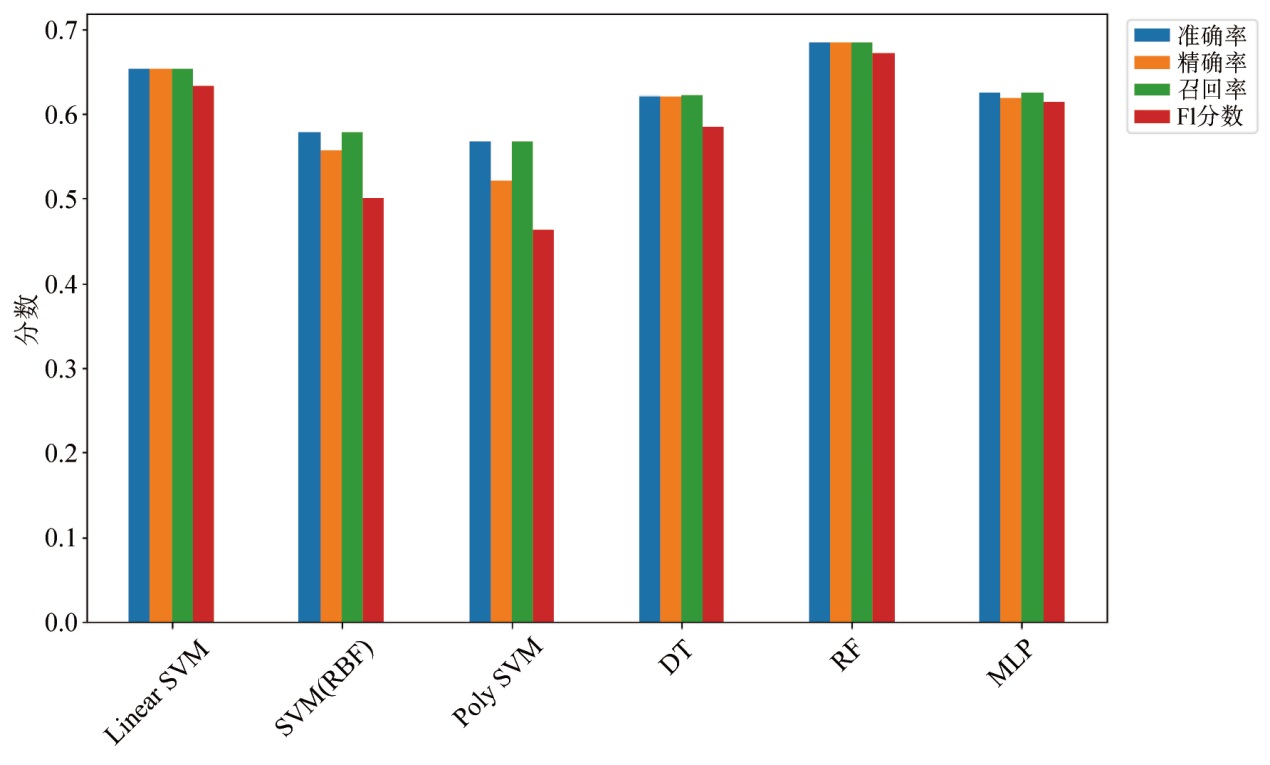
随着脑机接口技术的发展,基于脑电图(Electroencephalogram,EEG)信号的情绪识别成为研究热点。对比了支持向量机(Support Vector Machine,SVM)不同核函数在EEG情绪识别任务中的性能,并与决策树、随机森林和神经网络等常见机器学习方法进行了比较。基于DEAP数据集,通过对不同核函数(线性核、径向基核和多项式核)与其他模型的性能进行分析,发现随机森林在准确率和AUC值方面表现最佳。线性核SVM适用于数据线性可分的情况,而径向基核和多项式核的效果相对较差。此外,还探讨了神经网络的表现,并提出了优化模型和核函数选择的未来研究方向,旨在为基于EEG的情绪识别提供有价值的见解,并推动脑机接口技术的进步。

关键词: 脑电图, 情绪识别, 支持向量机, 核函数, 机器学习

Abstract:

With the development of brain-computer interface technology, emotion recognition based on Electroencephalogram(EEG) signals has become a research hotspot. This paper compares the performance of different kernel functions in Support Vector Machine(SVM) for EEG-based emotion recognition tasks, and contrasts them with common machine learning methods such as decision trees, random forests, and neural networks. Based on the DEAP dataset, by analyzing the performance of various kernel functions (linear, radial basis function, and polynomial) and other models, this paper found that random forest achieves the best performance in terms of accuracy and AUC values. Linear kernel SVM is suitable for linearly separable data, while radial basis function and polynomial kernels show relatively poorer performance. Additionally, this paper explores the performance of neural networks and proposes future research directions for optimizing models and kernel function selection. It aims to provide valuable insights into EEG-based emotion recognition and advance the development of BCI technology.

Key words: electroencephalogram, emotion recognition, support vector machine, kernel function, machine learning

中图分类号: