信息通信技术与政策

信息通信技术与政策

信息通信技术与政策 ›› 2026, Vol. 52 ›› Issue (1): 75-83.doi: 10.12267/j.issn.2096-5931.2026.01.010

技术与标准 上一篇    下一篇

克服人工神经网络灾难性遗忘的连续学习算法研究

Research on continual learning method for overcoming catastrophic forgetting of artificial neural networks

于达1,2, 董晓飞1,2, 曹峰1,2, 查富生3, 孙立宁3   

  1. 1.中国信息通信研究院人工智能研究所,北京 100191
    2.人工智能关键技术和应用评测工业和信息化部重点实验室,北京 100191
    3.哈尔滨工业大学机器人技术与系统全国重点实验室,哈尔滨 150000
  • 收稿日期:2025-11-10 出版日期:2026-01-25 发布日期:2026-01-28
  • 通讯作者: 董晓飞
  • 作者简介:
    于达, 中国信息通信研究院人工智能研究所、人工智能关键技术和应用评测工业和信息化部重点实验室工程师,博士,主要从事计算机视觉、机器人技术、智能体、大模型等方面工作
    曹峰, 中国信息通信研究院人工智能研究所平台与工程化部主任,高级工程师,主要牵头可信人工智能评测标准体系和能力建设、工程化能力相关评估规范制定与评测等方面工作
    查富生, 哈尔滨工业大学机器人技术与系统全国重点实验室教授,博士生导师,主要从事人工智能、机器人视觉、仿生机器人、机器人控制等方面工作
    孙立宁, 俄罗斯工程院外籍院士,哈尔滨工业大学机器人技术与系统全国重点实验室教授,博士生导师,国家杰出青年科学基金获得者,主要从事人工智能、微纳机器人、仿生机器人、医疗机器人等方面工作

YU Da1,2, DONG Xiaofei1,2, CAO Feng1,2, ZHA Fusheng3, SUN Lining3   

  1. 1. Artificial Intelligence Institute, China Academy of Information and Communications Technology, Beijing 100191, China
    2. Key Laboratory of Artificial Intelligence Key Technologies and Application Evaluation, Ministry of Industry and Information Technology, Beijing 100191, China
    3. State Key Laboratory of Robotics and System, Harbin Institute of Technology, Harbin 150000, China
  • Received:2025-11-10 Online:2026-01-25 Published:2026-01-28
  • Contact: DONG Xiaofei

摘要:

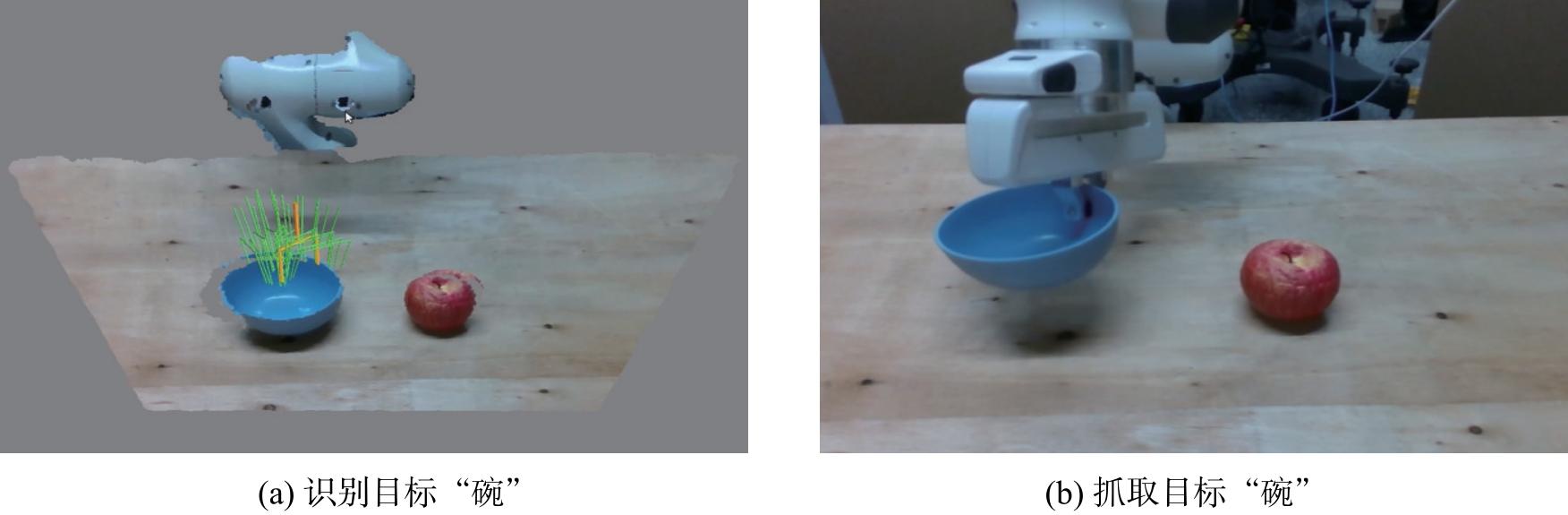
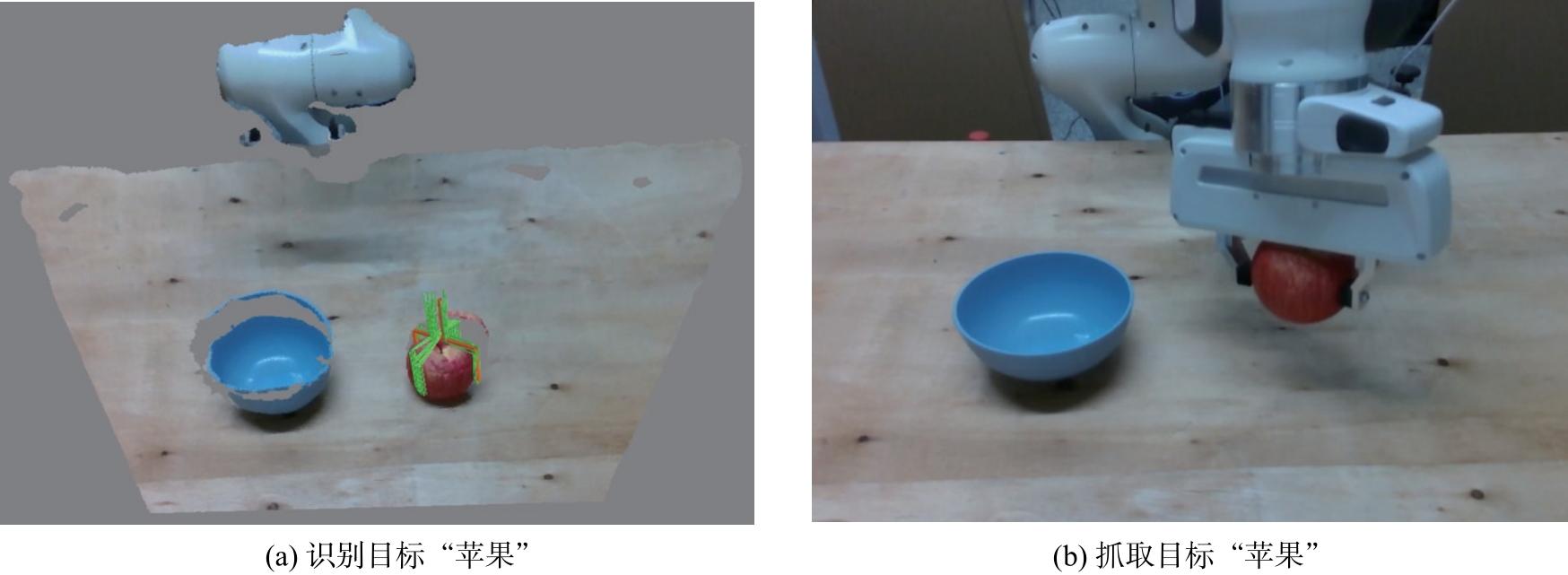
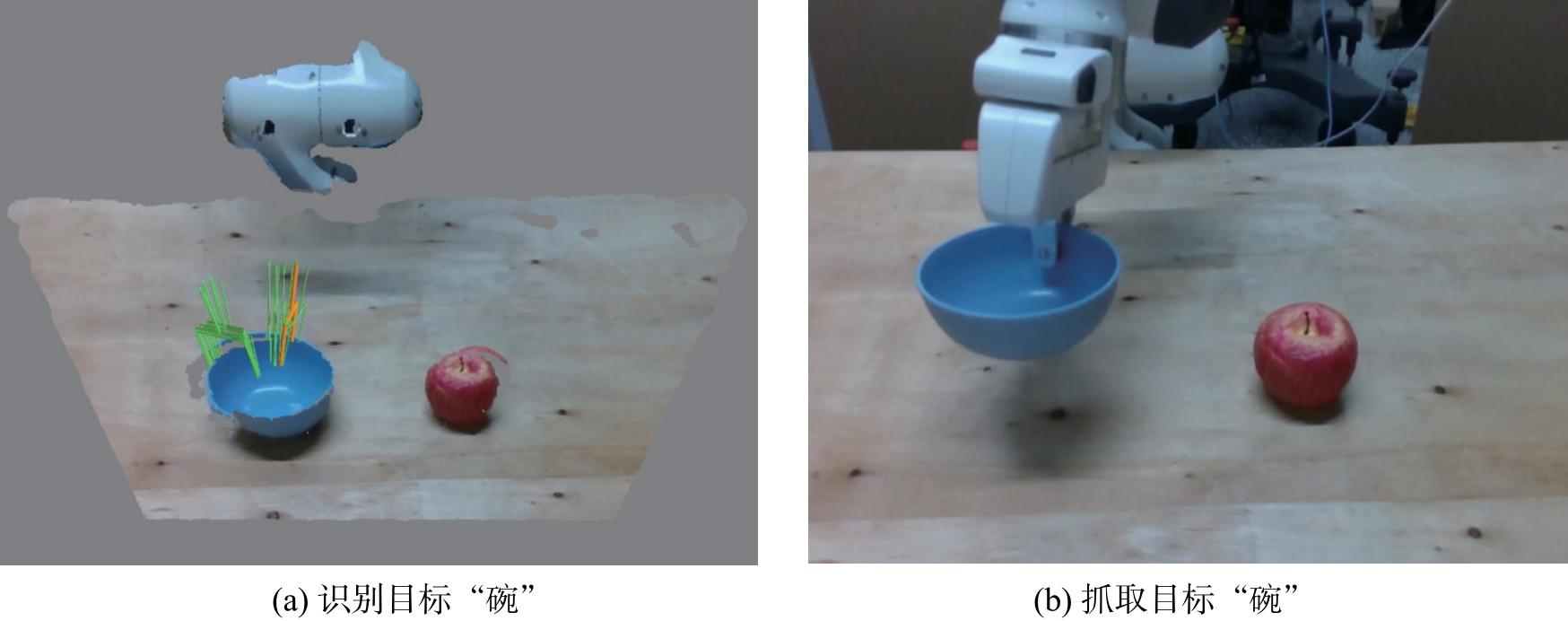
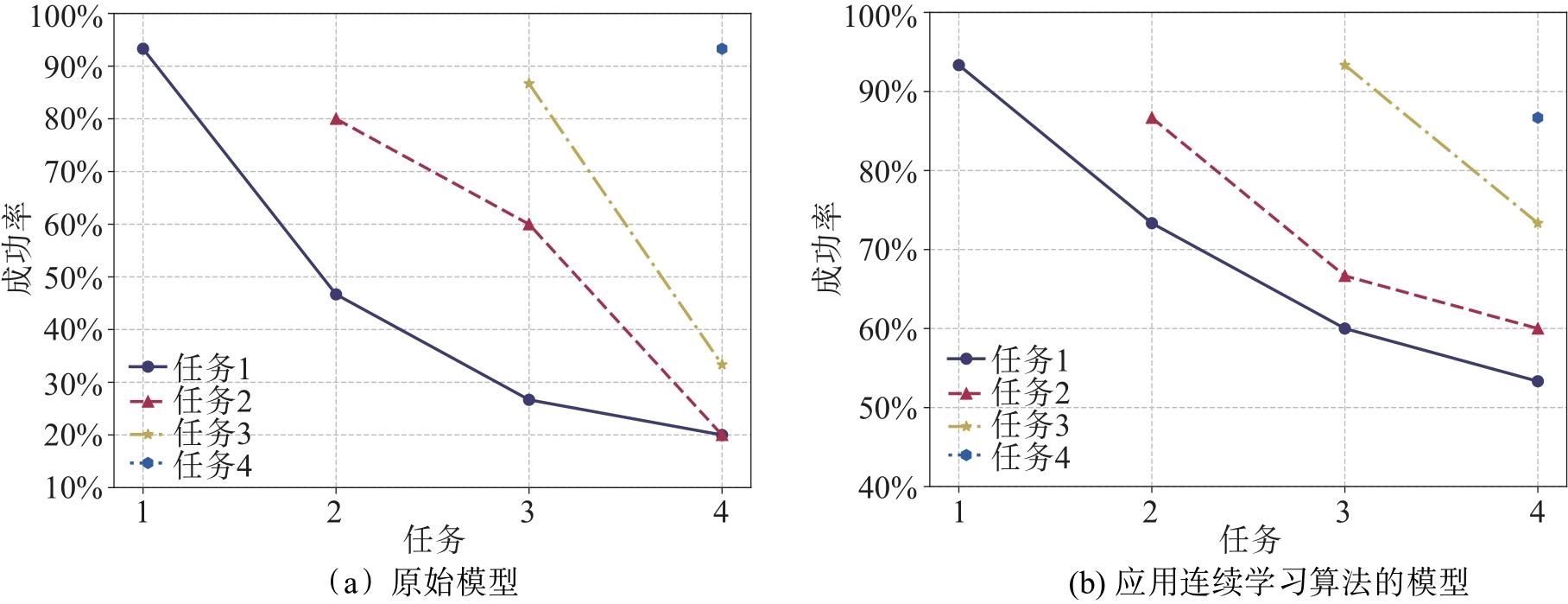
传统的人工神经网络训练通常聚焦于封闭、静态的独立同分布数据,并在完成离线训练后执行单一任务。然而,当数据分布随环境不断变化时,模型会忘记在先前任务中学到的知识,即发生“灾难性遗忘”。连续学习作为一个新的学习范式,旨在赋予模型从分布不断变化的数据流中持续学习、累计和巩固知识的能力,使得人工神经网络达到“稳定性-可塑性”平衡,进而克服灾难性遗忘。通过深入分析当前连续学习算法的主要特点,搭建真实机器人实物验证平台,在机器人实物抓取场景下验证连续学习算法的有效性。试验结果表明,将对比相关性保留回放算法应用到机器人实物抓取任务,抓取任务的平均准确率提高26.67%,能更好地帮助机器人执行目标任务。

关键词: 人工智能, 人工神经网络, 连续学习, 灾难性遗忘

Abstract:

Traditional artificial neural network training typically focuses on closed, static, independent and identically distributed data, and performs a single task after completing offline training. However, when the data distribution continuously changes with the environment, the model will forget the knowledge learned from previous tasks, a phenomenon known as “catastrophic forgetting”. As an emerging learning paradigm, continual learning aims to endow models with the ability to continuously learn, accumulate, and consolidate knowledge from data streams with constantly changing distributions. This enables artificial neural networks to achieve a “stability-plasticity” balance, thereby overcoming catastrophic forgetting. Through in-depth analysis of the key characteristics of current continual learning algorithms, a real-world robotic physical verification platform was established. The effectiveness of continual learning algorithms was verified in the scenario of robotic physical object grasping. Experimental results show that when the Contrastive Correlation Preserving Replay (CCPR) algorithm is applied to the robotic physical object grasping task, the average accuracy of the grasping task increases by 26.67%, better assisting the robot in performing the target task.

Key words: artificial intelligence, artificial neural networks, continual learning, catastrophic forgetting

中图分类号: